

Vietnamese Tea – A Promising Sourcing Option for the Japanese Market
Japan has a long-established tea culture and is widely recognized as one of the world's most demanding markets in terms of quality. While traditional Japanese teas such as Sencha, Matcha, and Hojicha remain highly popular, manufacturers and food companies are increasingly looking to overseas suppliers to diversify their product portfolios, secure stable supply, and optimize production costs.
Against this backdrop, Vietnam has emerged as an attractive sourcing destination. Benefiting from favorable natural conditions, diverse tea-growing regions, and a steadily developing processing industry, Vietnamese tea is well suited not only for traditional tea consumption but also for a wide range of food and beverage applications.
Rather than competing directly with Japan's domestic teas, Vietnamese tea offers complementary opportunities for manufacturers, providing ingredients for tea blends, packaged tea products, ready-to-drink beverages, and customized OEM solutions.
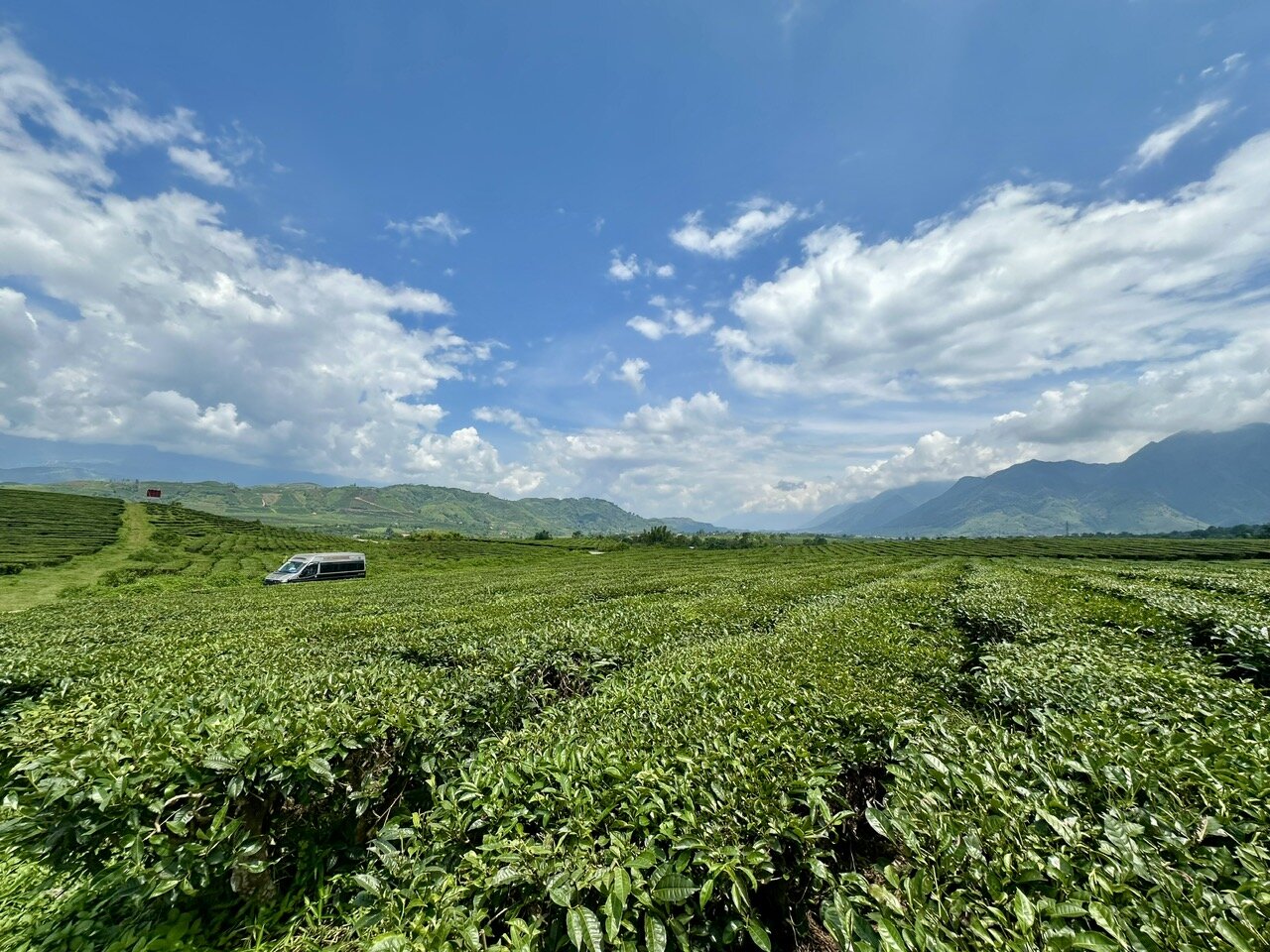
From Vietnam's Renowned Tea-Growing Regions
Tea is cultivated across various regions of Vietnam, from the mountainous northern provinces to the cool highlands of the south. Each region offers unique climatic and geographical conditions, resulting in distinctive tea characteristics and flavor profiles.
Thai Nguyen is widely known for its premium green tea, appreciated for its fresh aroma, mellow taste, and lingering sweetness. Further north, Ha Giang is home to centuries-old Shan Tuyet tea trees, producing teas with a rich flavor and distinctive character.
Meanwhile, Bao Loc in Lam Dong Province has become one of Vietnam's leading production areas for Oolong and black tea. Supported by modern cultivation techniques and continuous investment in processing technology, the region is well positioned to meet the quality requirements of international markets.
The diversity of Vietnam's tea-growing regions enables the country to supply a broad range of tea varieties while maintaining stable production throughout the year.
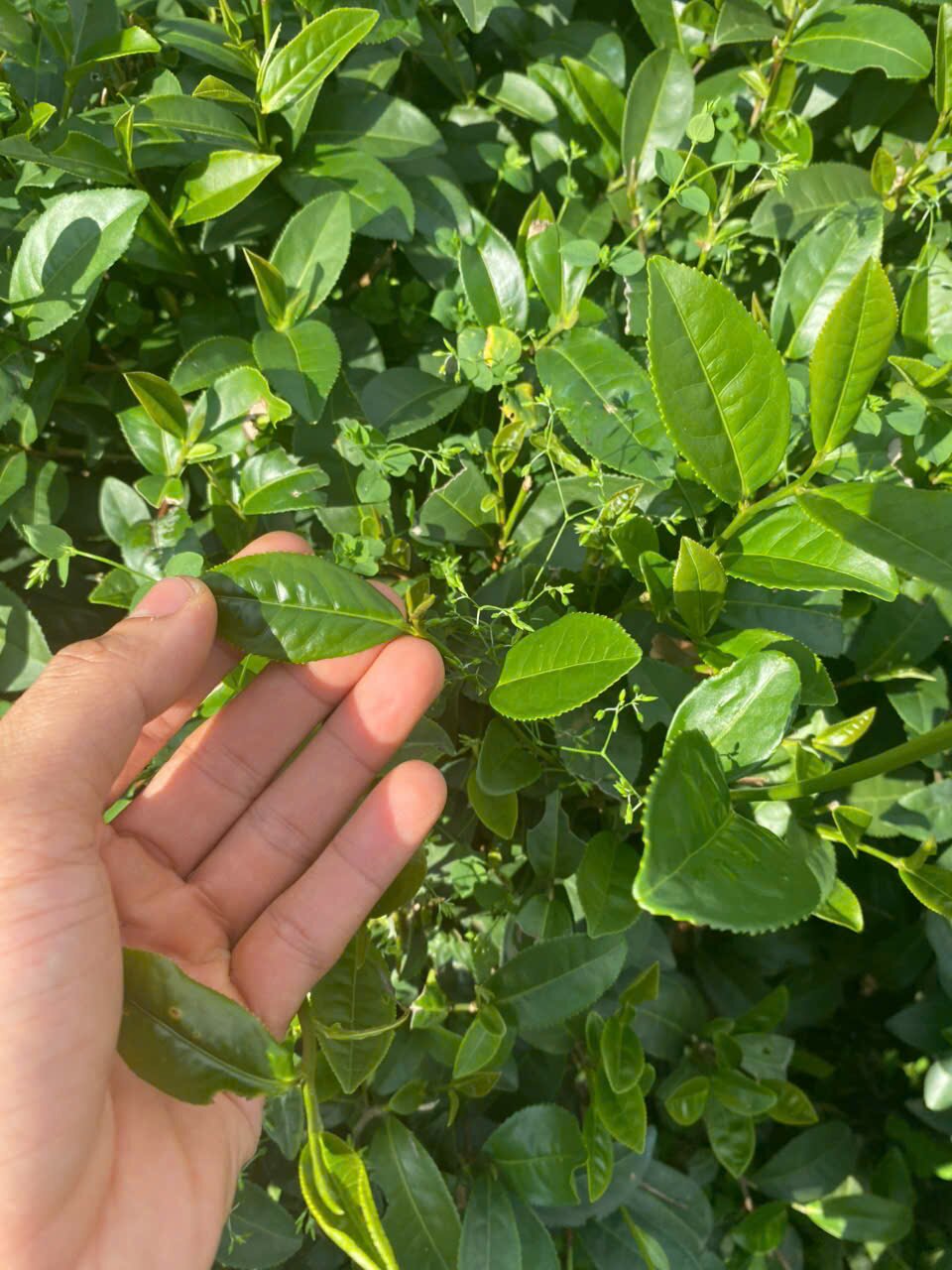
What Makes Vietnamese Tea Valuable?
Vietnamese tea is often recognized for its competitive pricing. However, price is only one of the advantages the industry has to offer.
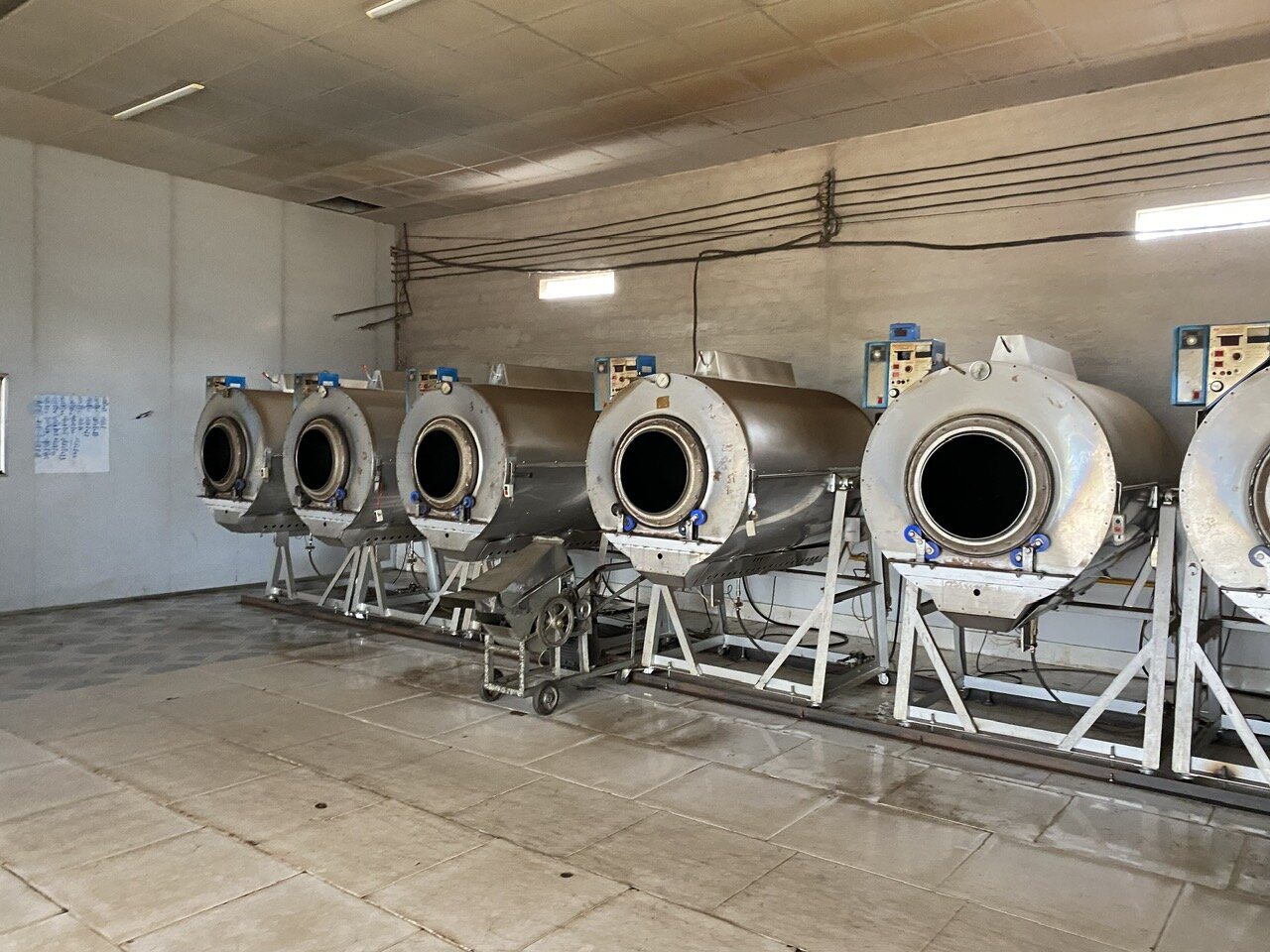
In recent years, Vietnamese tea manufacturers have made significant investments in modern processing facilities, food safety management systems, and quality control. These continuous improvements have enhanced the value of Vietnamese tea and enabled producers to better meet the expectations of demanding markets such as Japan.
Beyond supplying competitively priced raw materials, many manufacturers are capable of developing customized products tailored to specific customer requirements, including processing methods, tea grades, blending, packaging, and private label solutions.
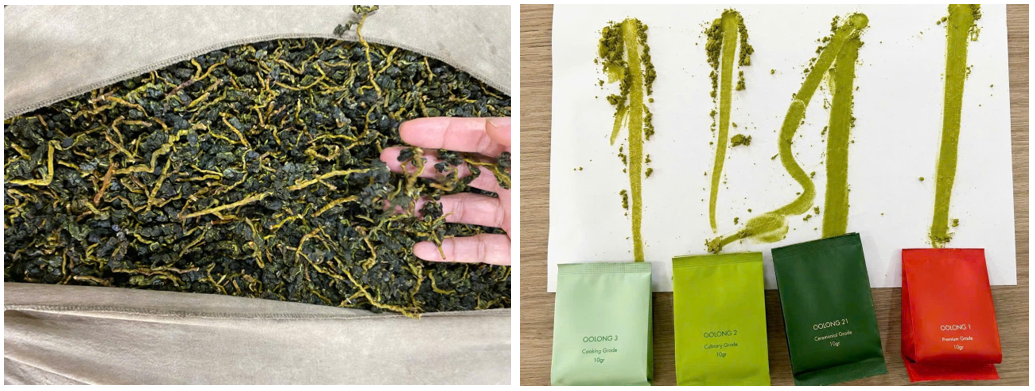
A Diverse Product Portfolio
Vietnam offers a wide variety of tea products for different market segments, including:
- Green Tea
- Black Tea
- Oolong Tea
- Jasmine Tea
- Lotus Tea
- Organic Tea
- Specialty Tea
Depending on customer requirements, products can be supplied as loose-leaf tea, tea bag cuts, powdered tea for food processing, or OEM/private label packaging solutions.
Meeting the High Standards of the Japanese Market
For Japanese companies, product quality extends far beyond taste. Consistency between shipments, traceability, and food safety are equally important considerations when selecting a supplier.
To meet these expectations, many Vietnamese tea manufacturers have adopted internationally recognized food safety management systems such as HACCP and ISO 22000. Quality control is implemented throughout the entire production process, from raw material sourcing and processing to packaging and export.
These ongoing investments not only improve production capability but also strengthen the confidence of international customers.
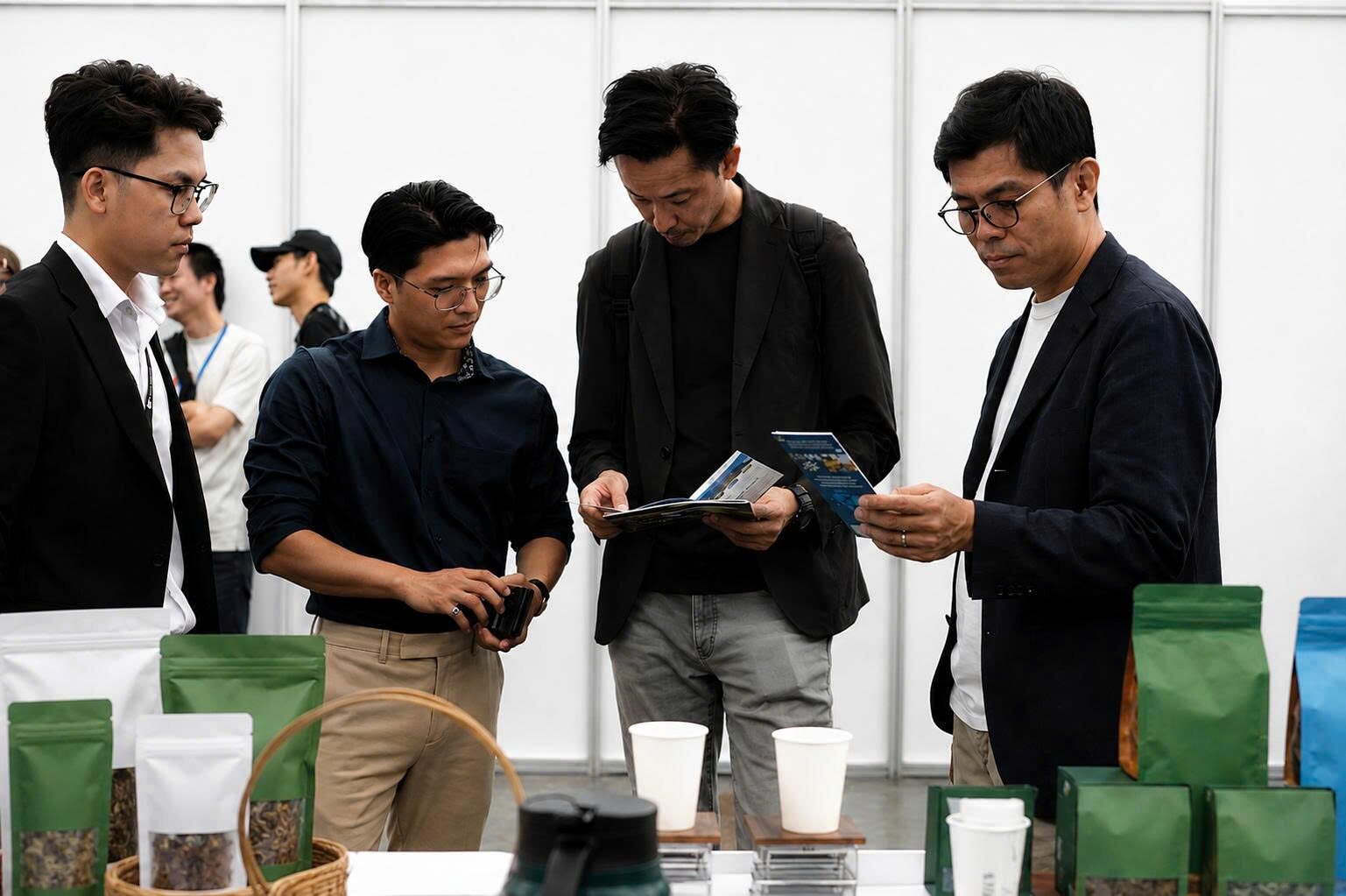
Supporting Long-Term Partnerships with Japanese Companies
A sustainable supply chain depends on more than competitive pricing. It requires reliable supply, transparent communication, and a thorough understanding of customer requirements.
Although still in the early stages of market development, Kanematsu Vietnam has successfully completed trial shipments of Vietnamese tea to Japan. These projects have provided valuable hands-on experience in supplier selection, quality assurance, logistics coordination, and meeting the expectations of Japanese customers.
We believe that the value of a trading partner goes beyond connecting buyers with manufacturers. It lies in providing end-to-end support throughout the sourcing process—from supplier identification and quality control to export coordination and delivery.
As demand for high-quality tea continues to grow, Vietnam offers promising opportunities for Japanese companies seeking reliable sourcing partners. Kanematsu Vietnam is committed to serving as a bridge between Vietnamese tea producers and the Japanese market, fostering long-term partnerships built on trust, quality, and mutual growth.
